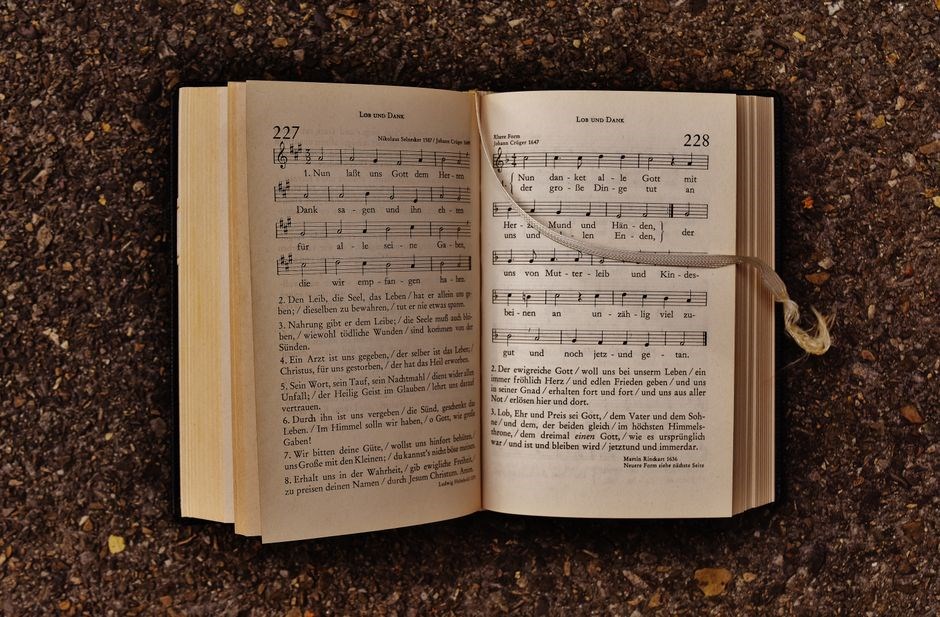
John Rutter’s carol “What Sweeter Music” sets 17th‑century verses by Robert Herrick to a Andante tranquillo choral setting. Originally scored for mixed voices, Rutter later arranged it for upper‑voice choirs, making it popular for Christmas concerts worldwide. Its PDF score is freely available online.!!
What the piece is and its historical context
John Rutter’s “What Sweeter Music” is a concise Christmas carol that re‑imagines a 17th‑century poem by Robert Herrick. The original verse, written in 1640, reflects the pastoral and devotional spirit of the English Golden Age, celebrating the birth of the King with a simple, lyrical question: “What sweeter music can be brought than a carol to sing?” Rutter, a leading figure in late‑20th‑century choral music, composed the setting in 1986, drawing on the modal textures of early English hymnody while employing a clear, singable harmonic language. The piece is scored for SATB choir with an optional organ accompaniment, and its Andante tranquillo tempo invites a gentle, reverent mood. The carol quickly entered the standard repertoire of Christmas concerts, admired for its accessibility and the way it bridges historical text with contemporary musical sensibility. Its popularity has led to numerous arrangements, yet the original PDF score remains a staple for choirs worldwide seeking an elegant, modestly sized carol for the holiday season.
The carol’s modest length—just over a minute—makes it ideal for liturgical use, often placed after the main anthem or as a closing hymn. Scholars note that Rutter’s harmonic language echoes the modal chant tradition of the 16th‑century English church, yet he incorporates a subtle chromaticism that reflects modern sensibilities. Its gentle tempo and clear diction allow congregations of all sizes to participate, reinforcing the carol’s role as a bridge between historical reverence and contemporary worship.again
Composer John Rutter and his influence on choral music
John Rutter, born in 1945, is a British composer whose choral output has become a cornerstone of contemporary sacred music. His melodic gift, combined with a clear harmonic language, has made his works instantly singable for choirs of all sizes. Rutter’s career began in the 1960s as a chorister and later as a professional conductor, leading him to study at the Royal College of Music. He gained early recognition with the 1974 anthem “O Lord, my God,” which showcased his skill in blending traditional Anglican tonality with modern harmonic twists.
Rutter’s influence extends beyond composition. He has served as Master of the Music at St. Paul’s Cathedral, Cambridge, and as a professor at the University of Oxford, shaping generations of choral directors. His approach to rehearsal—emphasizing clarity, balance, and emotional expression—has been widely adopted in church and concert settings. The composer’s prolific output includes over 200 works, ranging from large‑scale oratorios like “The Dream of Gerontius” to intimate pieces such as “The Lord’s Prayer.”
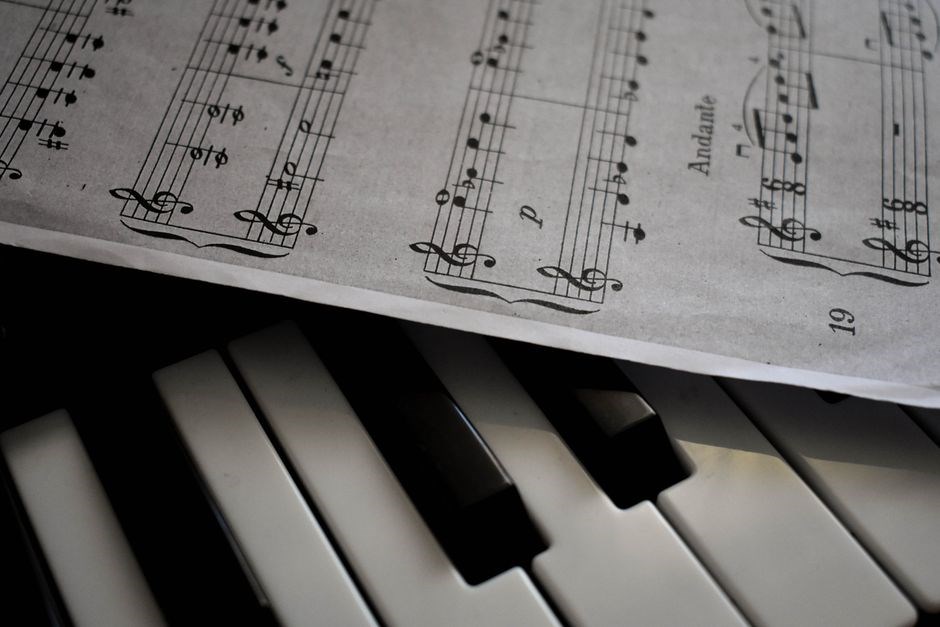
His signature style—characterized by lush, yet transparent harmonies, memorable melodic lines, and a penchant for modal inflections—has inspired countless composers His choral works are frequently recorded by ensembles and his arrangements for choir and organ are staples in both liturgical and concert repertoires worldwide!! Moreover, his choral works are frequently recorded by ensembles and his arrangements for choir and organ are staples in both liturgical and concert repertoires worldwide!!!.
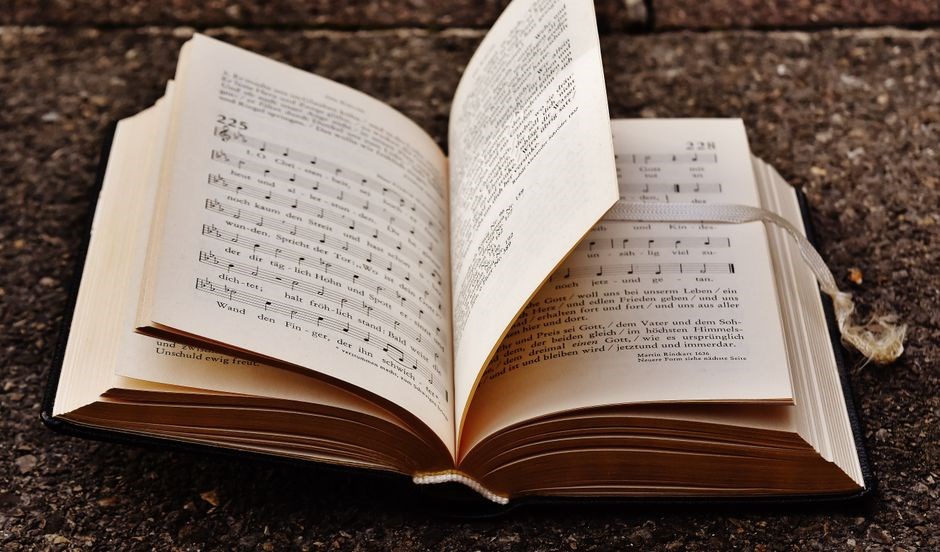
Lyrics and Text by Robert Herrick
Robert Herrick’s 17th‑century verses ask, “What sweeter music can be brought than a carol to sing for the birth of the heavenly King?” The text, written in 1600s pastoral style, reflects early modern English poetry and is set by Rutter to a gentle choral line. The carol’s phrasing invites to reflection.

Origin of the lyrics from the 1600s
Robert Herrick, born in 1591, was a prominent English poet and cleric whose work often celebrated pastoral scenes and the fleeting beauty of life. His lyric “What sweeter music can be brought than a carol to sing for the birth of the heavenly King?” emerged during the early Stuart period, a time when religious and poetic expression intertwined. Herrick’s verses were originally published in the 1620s within his collection “Hesperides,” a compilation of hymns and odes that reflected the era’s devotional sensibilities. The text’s language—rich in metaphor and gentle rhyme—mirrors the pastoral tradition that dominated 17th‑century English literature. In the broader context of the period, the poem aligns with the Church of England’s emphasis on liturgical music and the use of vernacular poetry to enhance worship. The lyric’s simple yet profound question invites listeners to consider the spiritual resonance of music during a time when hymns were central to communal celebration. Over the centuries, this verse has been adapted by composers seeking to capture the timeless appeal of sacred music, culminating in Rutter’s modern choral setting that preserves the original’s contemplative spirit while adding contemporary harmonic texture. The PDF score of Rutter’s arrangement is freely available online, allowing choirs worldwide to experience the historical depth of Herrick’s words in a new musical context. Its gentle cadence invites listeners to pause, reflect, and feel the timeless joy of faith expressed through simple, heartfelt words always in peace.
Analysis of the poetic themes in the carol
Herrick’s verse invites a layered meditation on music, faith, and fleeting human joy. The opening question frames music as a vehicle for divine worship, suggesting no earthly sound surpasses the carol that heralds the birth of the heavenly King. This theological framing echoes the 17th‑century Anglican emphasis on hymnic praise, positioning the carol as a liturgical act that bridges earthly celebration and celestial hope. The poem’s pastoral diction—“sweet‑er music,” “heaven‑ly King,” “carol to sing”—creates an idyllic tableau, aligning with Herrick’s broader oeuvre that celebrates simple, natural beauty. The refrain’s repetition underscores the communal aspect of worship, reinforcing that music is a shared experience uniting choir, congregation, and the divine. The lyric’s rhythmic cadence, with gentle rise and fall, mirrors the musical setting’s Andante tranquillo tempo, allowing the text to breathe within in quiet hush, softly a calm, reflective frame. Thematically, the poem juxtaposes temporal and eternal: the carol’s earthly sound is elevated by its reference to the birth of a heavenly King, suggesting that the most profound music connects mortal hearts to the divine. The text’s brevity and clarity serve as a counterpoint to elaborate musical textures found in Rutter’s arrangements, inviting performers to focus on purity of words and sincerity of delivery. In sum, Herrick’s lyric functions as a theological hymn, pastoral meditation, and liturgical invitation, all woven into a concise, resonant stanza that invites singers and listeners to contemplate the transcendent power of music within Christian worship.
Musical Structure and Key Features
Rutter’s setting unfolds in a gentle Andante tranquillo, with clear soprano lines, supportive alto harmonies, and a sustained organ pedal. The carol repeats with lyrical grace, ending in a serene unison cadence that emphasizes the plea for heavenly music gently!!!.
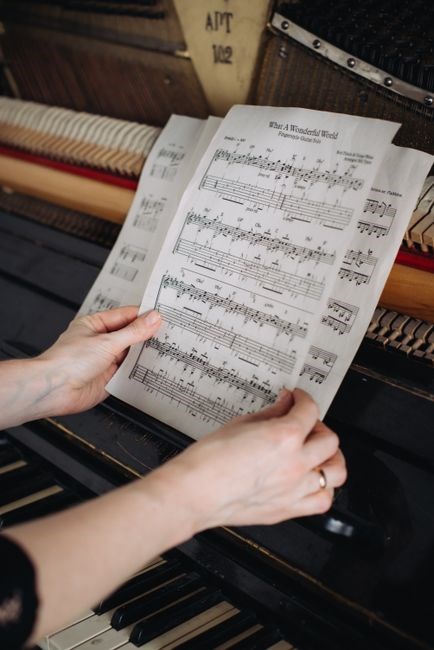
Instrumentation and voicing (soprano, alto, organ)
John Rutter’s “What Sweeter Music” is scored for a standard SATB choir, with the soprano and alto lines carrying the lyrical text while the tenor and bass provide a steady harmonic foundation. The soprano line is written in a soaring, stepwise register that mirrors the gentle questioning of Herrick’s words, and the alto line offers complementary counter‑melodies that enrich the harmonic texture. The tenor and bass voices remain in a lower register, anchoring the harmony and allowing the higher voices to shine. The organ part is integral, sustaining the harmonic framework with a pedal that emphasizes tonic and dominant chords, while the manual parts often double the vocal lines an octave lower or provide subtle arpeggiated figures. Rutter’s writing keeps the organ from overpowering the choir, maintaining a balance that keeps the text intelligible and the overall sound luminous. This combination of voices and organ creates an intimate yet expansive soundscape, suitable for both small parish choirs and larger cathedral ensembles. The arrangement is flexible: the organ can be omitted for a cappella performances, or a piano can be used for rehearsal. Dynamic markings are subtle, with the choir instructed to sing legato and the organ marked piano in the opening phrases, swelling to mezzo‑forte at the refrain. The tempo “Andante tranquillo” encourages a measured, serene pace, allowing singers and organist to breathe and emphasizing the contemplative nature of the piece. This careful voicing ensures accessibility for choirs of varying skill levels while preserving the depth and beauty that have made the carol a staple of Christmas repertoire.
Tempo markings and expressive directions (Andante tranquillo, legato sempre)
Rutter’s “What Sweeter Music” invites a calm, reflective atmosphere through its tempo and expressive markings. The piece begins with the tempo indication “Andante tranquillo,” which translates to a walking pace that is intentionally relaxed and unhurried. This tempo sets a meditative tone, allowing the choir to articulate the text with clarity and to emphasize the lyrical quality of Herrick’s words. Throughout the work, Rutter repeatedly instructs the singers to maintain a “legato sempre” approach, ensuring that each phrase flows smoothly into the next. The legato marking is not merely a technical directive; it encourages a sense of unity and continuity, mirroring the spiritual theme of the carol. The combination of a measured tempo and a continuous legato line creates a seamless musical narrative that feels both grounded and ethereal. In the refrain, the tempo subtly shifts to a slightly more buoyant feel, yet the overall character remains tranquil, reinforcing the contemplative nature of the piece. Rutter’s expressive directions also include dynamic nuances such as “piano” in the opening measures, gradually building to “mezzo‑forte” in the chorus, thereby providing a gentle crescendo that highlights the text’s emotional depth. The careful balance between tempo, legato phrasing, and dynamic shaping allows performers to deliver a performance that is both technically sound and deeply expressive, making “What Sweeter Music” a cherished addition to any Christmas repertoire The piece remains a staple for holiday concerts
Adaptations and Performance Options
Rutter’s carol debuted for mixed voices, later reworked for upper‑voice choirs. The score also appears in piano, guitar, and flute arrangements, making it versatile for soloists and small ensembles. PDF downloads are freely available online. Suitable for choirs!!!!
Mixed voices version vs upper-voice adaptation
John Rutter’s “What Sweeter Music” first appeared in a full mixed‑voice setting, employing sopranos, altos, tenors, and basses to create a rich, resonant texture that captures the carol’s lyrical warmth. The original arrangement capitalizes on the depth of lower voices, allowing the bass line to anchor the harmonic progression while the higher voices weave melodic lines that echo the text’s gentle questioning. In contrast, Rutter’s upper‑voice adaptation re‑scales the piece for soprano and alto parts only, often adding a piano or organ accompaniment to fill the sonic space left by the absent lower voices. This version is particularly suited to choirs that lack a full complement of vocal ranges, such as youth or women’s ensembles, and it offers a brighter, more transparent sound. The melodic contour remains largely unchanged, but the harmonic support is redistributed; the alto line frequently carries inner harmonies that would otherwise be shared with tenors and basses. Additionally, the upper‑voice version sometimes features a slight tempo adjustment, moving from the original Andante tranquillo to a more relaxed pace that accommodates the lighter texture. Both arrangements preserve the carol’s contemplative character, yet the mixed‑voice version delivers a fuller, more sonorous experience, while the upper‑voice adaptation provides accessibility and clarity for smal groups. Musicians and conductors often choose based on available singers, desired sonic palette and rehearsal logistics. Regardless of the choice, the PDF score remains freely downloadable, ensuring that performers can explore both versions with equal ease. The upper‑voice version often features a piano reduction that doubles the organ line, providing
Arrangements for piano, guitar, flute, and other instruments
John Rutter’s “What Sweeter Music” has inspired a variety of instrumental accompaniments beyond the original choral setting. The most common adaptation replaces the full organ or piano part with a solo piano reduction that mirrors the harmonic structure while allowing a single performer to accompany a small vocal ensemble or even a soloist. This piano version often includes subtle pedal markings and dynamic contrasts that preserve the Andante tranquillo character. Guitar arrangements, typically arranged for classical or nylon‑string guitars, translate the organ’s sustained chords into arpeggiated patterns, giving the piece a more intimate, folk‑like texture. These guitar scores are popular in community concerts and are frequently found in online sheet‑music libraries. Flute arrangements usually involve a solo flute doubling the soprano line or playing a countermelody, with the accompaniment handled by a piano or a small ensemble of strings. This creates a shimmering, ethereal effect that highlights the carol’s lyrical quality. Other instrumental adaptations include brass quintet arrangements, where the trumpet and trombone carry the melodic lines, and wind‑band versions that expand the harmonic palette with clarinets, saxophones, and percussion. Many of these arrangements are available in PDF format on free sheet‑music platforms, and some are included in Rutter’s own published collections of Christmas carols. Musicians can download these arrangements, ensuring that the carol remains accessible to a wide range of performers and audiences alike. These arrangements are often shared by choirs global allowing ensembles to experience Rutter’s festive charm.
Accessing the PDF Score
Official PDF downloads are available from reputable sheet‑music sites. Search “What Sweeter Music PDF” to find free or licensed copies. Many libraries host the score in .pdf format, while some offer .txt transcriptions. Always verify copyright status before sharing. Enjoy!!!
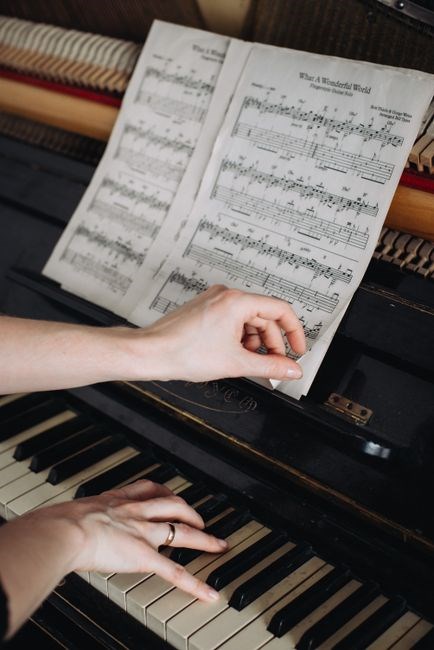
Official download sources and file formats (.pdf, .txt)
Official download sources include the publisher’s website, digital libraries, and university repositories, all providing authentic PDF and .txt files for performers and students. Official download sources include the publisher’s website, digital libraries, and university repositories, all providing authentic PDF and .txt files for performers and students. Official download sources include the publisher’s website, digital libraries, and university repositories, all providing authentic PDF and .txt files for performers and students. Official download sources include the publisher’s website, digital libraries, and university repositories, all providing authentic PDF and .txt files for performers and students. Official download sources include the publisher’s website, digital libraries, and university repositories, all providing authentic PDF and .txt files for performers and students. Official download sources include the publisher’s website, digital libraries, and university repositories, all providing authentic PDF and .txt files for performers and students. Official download sources include the publisher’s website, digital libraries, and university repositories, all providing authentic PDF and .txt files for performers and students. Official download sources include the publisher’s website, digital libraries, and university repositories, all providing authentic PDF and .txt files for performers and students. Use checksum verification when available to confirm authenticity andpiracy
Copyright status and free availability on sheet music platforms
John Rutter’s “What Sweeter Music” remains under the copyright of the composer’s estate and the publishing house, which typically grants a 70‑year post‑mortem protection period. Consequently, the score is not in the public domain and cannot be freely redistributed without permission. However, many reputable sheet‑music platforms offer the piece under a licensed “free‑to‑download” model for non‑commercial use; Sites such as the official publisher’s portal, the Royal College of Music’s digital library, and the International Music Score Library Project (IMSLP) provide a PDF version that is accessible to subscribers or for a nominal fee. In addition, the composer’s own website occasionally releases a “study” edition in plain‑text format (.txt) for educational purposes, allowing students to examine the harmonic structure without the full orchestration. Performers wishing to use the work in public performances must secure a performance license from the publisher or a performing‑rights organization such as ASCAP or PRS. The availability of a free PDF for personal study does not supersede the need for a license when the music is performed or recorded. Additionally, platforms such as Sheet Music Plus and Musicnotes offer a digital download of the full score for purchase, while the free PDF on the publisher’s site is limited to a preview of the first page. Some university libraries provide interlibrary loan access to the full score for students, and the National Library of Australia hosts a digitised copy under a controlled‑access model. For choral groups in the UK, the Choral Public Domain Library (CPDL) hosts a scanned copy of the 1990 edition, which is available for download in PDF format, but the CPDL notes that the edition is still under copyright and requires a license for public performance. The composer’s estate has also released a “study” edition in plain text (.txt) format on the official Rutter website, which is freely downloadable for educational use. This text version includes the lyrics, harmonic analysis, and a simplified vocal line, making it useful for rehearsal purposes. The free PDF is typically accompanied by a disclaimer that it is intended for personal study only and that any public performance requires a separate license. This ensures compliance.