Harry Wong’s work, particularly through “The First Days of School,” provides a foundational framework for educators. It emphasizes proactive planning and establishing a positive learning environment.
His strategies aim to minimize disruptions and maximize student engagement, ultimately fostering academic success.
The Significance of Effective Classroom Management
Effective classroom management isn’t merely about control; it’s the cornerstone of a productive learning environment. Harry Wong stresses that well-managed classrooms aren’t born organically – they are deliberately constructed through meticulous planning and consistent execution. Without a structured system, teachers spend valuable instructional time addressing behavioral issues instead of delivering engaging lessons.
The impact extends beyond minimizing disruptions. A positive classroom climate, built on clear expectations and mutual respect, fosters student engagement and a genuine love for learning. Students thrive when they feel safe, supported, and understand the boundaries within which they operate. This, in turn, leads to improved academic performance and a more fulfilling educational experience for both students and teachers.
Wong’s approach highlights that proactive measures – establishing routines, clear rules, and consistent consequences – are far more effective than reactive discipline. Investing time upfront in building a strong classroom foundation yields significant long-term benefits, creating a space where learning can flourish and students can reach their full potential. It’s about creating a culture of success, not just controlling behavior.
Overview of “The First Days of School”
“The First Days of School” by Harry Wong and Rosemary Wong isn’t simply a guide for the initial weeks of the academic year; it’s a comprehensive philosophy of teaching centered around proactive classroom management. The book emphasizes that the most crucial time for establishing a positive learning environment is before students even enter the classroom – during the planning phase.
Wong advocates for teachers to design their classrooms intentionally, considering physical layout, routines, and procedures. He stresses the importance of having a well-defined plan for everything from taking attendance to handling student transitions. The book details specific, practical strategies for creating a structured and predictable environment that minimizes confusion and maximizes learning time.
A core tenet of the book is the idea that teachers should “teach procedures, not content” initially. By explicitly teaching and practicing routines, teachers empower students to take ownership of their learning and create a self-managed classroom. “The First Days of School” provides a roadmap for building a positive, productive, and engaging learning community from the very beginning.
Core Principles of Harry Wong’s Approach
Harry Wong’s approach centers on proactive planning, establishing clear expectations, and building strong relationships. He prioritizes a well-managed classroom as the foundation for effective teaching and student success.
Positive Teacher-Student Relationships
Harry Wong consistently stresses that positive teacher-student relationships are not merely beneficial, but absolutely fundamental to effective classroom management. He argues that students are more likely to cooperate and engage in learning when they feel respected, valued, and understood by their teacher. This isn’t about being a friend, but about demonstrating genuine care and professional respect.
Wong advocates for teachers to learn students’ names quickly and use them frequently. He suggests taking a genuine interest in students’ lives outside of school – not through intrusive questioning, but through casual conversation and acknowledging their interests. A welcoming classroom environment, both physically and emotionally, is crucial. This includes displaying student work, creating a visually appealing space, and fostering a sense of community.
Furthermore, Wong emphasizes the importance of consistent positive reinforcement. Catching students being good and acknowledging their efforts, rather than solely focusing on correcting misbehavior, builds trust and encourages positive behavior. Effective communication, active listening, and demonstrating empathy are also key components of building strong relationships. Ultimately, a positive relationship creates a safe and supportive learning environment where students feel comfortable taking risks and striving for success.
Establishing Rules and Procedures
Harry Wong’s approach to classroom management places significant emphasis on proactively establishing clear rules and procedures from the very first day of school. He believes that a well-managed classroom isn’t about reacting to misbehavior, but preventing it through thoughtful planning and consistent implementation. Rules should be few in number, positively stated, and focused on promoting respect, responsibility, and safety.
Crucially, Wong differentiates between rules and procedures. Rules address broad expectations for behavior (e.g., “Respect others”), while procedures outline how things are done in the classroom (e.g., “How to ask a question,” “How to turn in assignments”). Procedures should be explicitly taught, modeled, and practiced until they become routine. This minimizes confusion and maximizes instructional time.
Wong advocates for involving students in the creation of rules and procedures, fostering a sense of ownership and responsibility. However, he stresses that the teacher retains final authority. Consistency is paramount; rules and procedures must be enforced fairly and equitably for all students. A predictable classroom environment reduces anxiety and allows students to focus on learning, creating a more positive and productive atmosphere.
The Importance of Consistency
Harry Wong consistently stresses that consistency is the cornerstone of effective classroom management. He argues that inconsistent application of rules and procedures creates confusion, erodes trust, and ultimately undermines a teacher’s authority. Students quickly learn what behaviors are truly tolerated, regardless of stated expectations, if enforcement is erratic.
Consistency doesn’t mean rigidity; it means responding to similar behaviors in similar ways, every time. This predictability provides a sense of security and fairness for students. Wong emphasizes that a teacher must be consistent not only with discipline but also with positive reinforcement, acknowledging and rewarding desired behaviors regularly.
Furthermore, consistency extends to the teacher’s own behavior. Modeling the expected conduct – demonstrating respect, responsibility, and a positive attitude – is crucial. A teacher who preaches one thing but practices another loses credibility. Consistent routines, from daily warm-ups to assignment submission, also contribute to a well-ordered learning environment. Ultimately, consistency builds a classroom culture of accountability and respect, fostering a climate conducive to learning.
Practical Strategies from the PDF
“The First Days of School” PDF details actionable techniques. These include structured classroom setups, detailed opening routines, and clear communication methods to proactively manage student behavior and learning.
Designing Your Classroom Environment
Harry Wong stresses that a well-designed classroom isn’t merely aesthetically pleasing; it’s a crucial component of effective classroom management. The physical space should actively support teaching and learning, minimizing potential disruptions. According to the principles outlined in “The First Days of School,” the arrangement of desks, learning centers, and materials should be deliberate and purposeful.

Consider traffic flow – ensure students can move around the room without causing congestion or distracting others. Clearly defined areas for different activities, such as reading, group work, and individual assignments, help students understand expectations. Visibility is key; the teacher should be able to easily monitor all students, and students should have a clear line of sight to the instructional area.
Wong advocates for displaying student work to foster a sense of ownership and pride. However, avoid overcrowding the walls with excessive decorations. A cluttered environment can be visually overwhelming and counterproductive. The classroom should reflect the curriculum and learning objectives, serving as a constant reminder of what students are expected to learn. Thoughtful arrangement communicates professionalism and respect for the learning process, setting a positive tone from the very beginning.

The Opening Procedures Routine
Harry Wong dedicates significant attention to the importance of establishing a consistent opening routine in “The First Days of School.” He argues that a well-defined routine immediately sets the tone for the day, minimizing wasted time and maximizing instructional minutes. This routine should be practiced repeatedly until it becomes automatic for students.
The routine might include tasks like entering the classroom quietly, placing homework in a designated location, sharpening pencils, and beginning a “bell ringer” activity – a short, engaging task that students complete independently upon arrival. Wong emphasizes that these procedures should be explicitly taught and practiced, not simply announced.
Consistency is paramount. The teacher must enforce the routine every single day, without exception. This predictability creates a sense of structure and security for students, reducing anxiety and promoting self-discipline. A smooth opening routine allows the teacher to start the lesson promptly and efficiently, setting a positive precedent for the entire day. It’s about proactively managing the classroom, rather than reactively addressing disruptions.

Effective Communication Techniques
Harry Wong’s approach, detailed in “The First Days of School,” highlights communication as a cornerstone of effective classroom management. He stresses the importance of clear, concise, and positive language when interacting with students. Avoiding vague instructions and using specific, observable behaviors when giving feedback are crucial.
Wong advocates for a proactive communication style, focusing on preventing misbehavior rather than simply reacting to it. This includes establishing clear expectations from the outset and consistently reinforcing them. He emphasizes the power of nonverbal communication – maintaining eye contact, using appropriate body language, and proximity control to subtly guide student behavior.
Furthermore, Wong encourages teachers to actively listen to students, demonstrating genuine care and respect. This fosters a positive classroom climate where students feel safe to express themselves and take risks. Effective communication isn’t just about what the teacher says, but how they say it, and how well they listen in return. It builds trust and strengthens teacher-student relationships.

Troubleshooting Common Classroom Issues
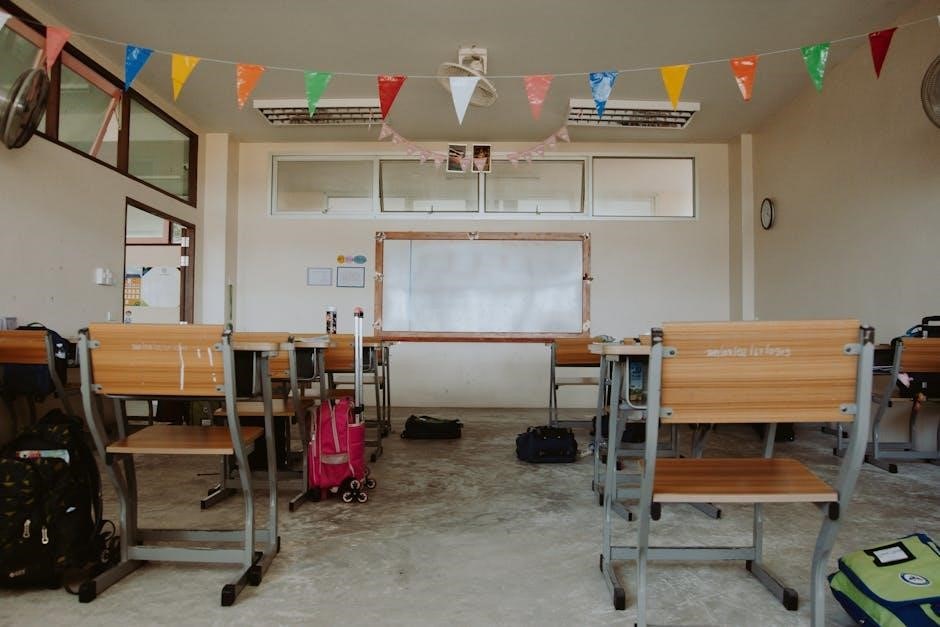
Harry Wong’s framework prepares teachers to proactively address disruptions and apathy. Consistent application of established rules and procedures is key to resolving issues efficiently and fairly, fostering a productive learning environment.
Dealing with Disruptive Behavior
Harry Wong’s approach to disruptive behavior centers on prevention through well-defined rules and procedures established from the very first day of school. He stresses that most disruptions stem from a lack of clear expectations or a teacher’s inconsistent enforcement of those expectations. Rather than reacting emotionally, Wong advocates for a calm, assertive response that redirects the student back to the expected behavior.
The key is to address the behavior, not the student. Public reprimands should be avoided as they can escalate the situation and damage the teacher-student relationship. Instead, utilize non-verbal cues like proximity control or a gentle hand gesture to redirect the student. If a more direct intervention is needed, speak to the student privately and calmly reiterate the expectations.
Wong emphasizes the importance of documenting disruptive incidents and following through with pre-determined consequences. These consequences should be logical and related to the misbehavior. Furthermore, he suggests collaborating with parents and administrators to develop a consistent support system for students struggling with behavioral issues. Proactive classroom management, built on clear expectations and consistent responses, significantly minimizes the occurrence of disruptive behavior.
Addressing Student Apathy
Harry Wong’s philosophy directly addresses student apathy by emphasizing engaging instruction and a positive classroom environment. He posits that apathetic students are often disengaged due to a lack of connection to the material or a feeling of not being valued. A well-managed classroom, characterized by clear expectations and consistent routines, provides a secure foundation for learning, reducing anxiety and fostering a sense of belonging.
Wong advocates for teachers to actively seek ways to make learning relevant and meaningful to students’ lives. This can involve incorporating real-world examples, providing choices in assignments, and utilizing varied instructional strategies. Building positive relationships with students is also crucial; knowing their interests and acknowledging their efforts can significantly increase engagement.
Furthermore, Wong stresses the importance of pacing lessons effectively and providing opportunities for student success. Small, achievable goals can build confidence and motivate students to participate. Addressing apathy requires a proactive approach focused on creating a stimulating and supportive learning environment where all students feel valued and capable of succeeding.
Managing Late Work and Missed Assignments
Harry Wong’s approach to late work and missed assignments centers on establishing clear, consistent policies from the outset. In “The First Days of School,” he emphasizes that preventative measures – like well-defined procedures and consistent reminders – are far more effective than reactive responses. A clearly communicated late work policy, outlined in the syllabus and consistently enforced, minimizes arguments and promotes responsibility.
Wong advocates for a system that balances accountability with understanding; While late work should have consequences, these should be reasonable and consistently applied. He suggests exploring the reasons behind late submissions; a student struggling with time management or facing personal challenges may require different support than one simply demonstrating a lack of effort.
Furthermore, Wong stresses the importance of documenting all instances of late work and communication with students and parents. This creates a clear record and facilitates collaborative problem-solving. The goal isn’t simply to punish late submissions, but to teach students the importance of responsibility, time management, and seeking help when needed.

Utilizing the “First Days of School” PDF
The PDF serves as a comprehensive resource, offering detailed guidance on classroom setup, routines, and management techniques. It’s invaluable for both new and experienced teachers seeking practical strategies.
Navigating the PDF’s Structure
“The First Days of School” PDF is meticulously organized to support educators in implementing Harry Wong’s principles. The document isn’t simply a collection of ideas; it’s structured to guide teachers through a logical progression of preparation and execution. Initially, the PDF focuses on the importance of planning before students even enter the classroom. This section details the necessity of a well-designed physical space and clearly defined procedures.
Subsequent chapters delve into the specifics of establishing routines, covering everything from the opening procedures to handling transitions and managing materials. A significant portion is dedicated to effective communication strategies, emphasizing the power of positive reinforcement and clear expectations. The PDF frequently utilizes examples, checklists, and templates to make the concepts readily applicable to diverse classroom settings.
Teachers will find dedicated sections addressing potential challenges, such as disruptive behavior and student apathy, offering proactive solutions rather than reactive measures. The document also includes practical advice on managing late work and missed assignments, promoting accountability and responsibility. Importantly, the PDF’s structure encourages teachers to view classroom management not as a set of rules, but as a system built on respect, consistency, and a well-defined learning environment.
Key Takeaways for New Teachers
For new teachers, Harry Wong’s “The First Days of School” PDF offers invaluable insights. The core message revolves around proactive classroom management – investing time in preparation before the school year begins is paramount. Don’t underestimate the power of a well-organized classroom environment and clearly communicated routines; these minimize disruptions and maximize learning time.
A crucial takeaway is the emphasis on establishing positive teacher-student relationships built on mutual respect. Consistency is key; enforce rules fairly and predictably. Avoid focusing solely on discipline; instead, prioritize teaching students the expected behaviors and procedures. The PDF stresses that effective teaching and effective classroom management are inextricably linked.
New educators should understand that classroom management isn’t about control, but about creating a supportive learning community. Don’t be afraid to seek mentorship and collaborate with experienced colleagues. Finally, remember that the first few weeks are critical for setting the tone for the entire year. By diligently applying Wong’s principles, new teachers can confidently navigate the challenges and joys of the classroom.
Implementing Wong’s Strategies in Diverse Classrooms
Adapting Harry Wong’s strategies for diverse classrooms requires sensitivity and flexibility. While the core principles of preparation, routines, and positive relationships remain constant, their application must be tailored to meet the unique needs of all students. Consider cultural backgrounds, learning styles, and individual student challenges when establishing rules and procedures.
Effective communication is paramount. Ensure instructions are clear, concise, and accessible to all learners, potentially utilizing visual aids or translated materials. Building rapport with students from diverse backgrounds involves demonstrating genuine interest in their experiences and perspectives. Be mindful of potential biases and strive to create an inclusive environment where every student feels valued and respected.
Wong’s emphasis on consistency doesn’t mean rigidity. Be prepared to adjust routines and strategies based on student feedback and observed needs. Collaboration with special education staff and families is crucial for supporting students with disabilities. Remember that a one-size-fits-all approach is ineffective; successful implementation requires ongoing reflection and adaptation.