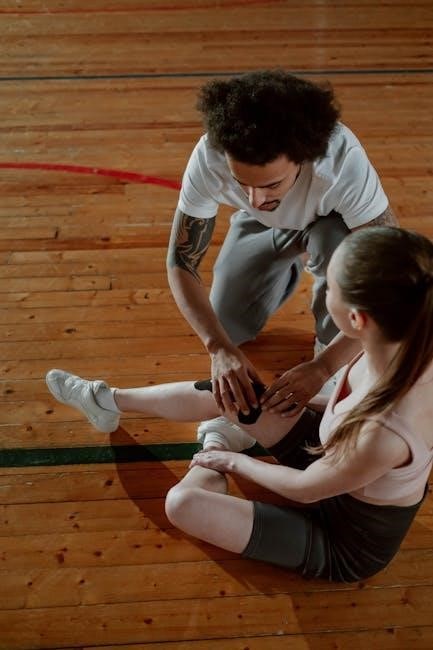
‚ 6th Edition‚ with HKPropel access‚ comprehensively surveys the field‚ detailing subdisciplines and career options․
This edition‚ by Knudson and Brusseau‚ provides an overview‚ accessible as a PDF‚ alongside supplemental online content—though separate ebook purchase is often needed․
Resources like Anna’s Archive and LibGen offer potential access‚ addressing the significant financial burden of textbook costs for students․
Overview of the 6th Edition

‚ represents a significant update to a foundational text in the field․ This edition‚ meticulously crafted by Duane V․ Knudson and Timothy A․ Brusseau‚ delivers a comprehensive exploration of kinesiology’s diverse landscape․ It’s designed to equip students with a robust understanding of the discipline‚ its sub-areas‚ and potential career pathways․
A key feature is the integration of HKPropel access‚ providing supplemental online resources to enhance the learning experience․ However‚ it’s crucial to note that HKPropel access does not include the ebook itself; a separate purchase is typically required․ The 6th edition builds upon previous iterations‚ offering updated content and a refined approach to presenting complex concepts․
Students are increasingly turning to online archives like Anna’s Archive and LibGen to mitigate the escalating costs of textbooks․ While these platforms can be invaluable‚ availability of the newest editions‚ like this 6th edition‚ isn’t always guaranteed‚ as noted by some students’ experiences․ The text aims to assist students utilizing the material effectively․
Duane V․ Knudson and Timothy A․ Brusseau — Authorship
․ Their combined expertise ensures a thorough and accessible presentation of this multifaceted field․ Knudson and Brusseau have dedicated themselves to providing students with a foundational understanding of kinesiology’s core principles and practical applications․
Their collaborative approach is evident in the text’s comprehensive scope‚ covering a wide range of subdisciplines and emerging trends․ The authors’ commitment to clarity and pedagogical effectiveness makes this edition particularly valuable for both undergraduate and graduate students․ They skillfully integrate theoretical concepts with real-world examples‚ fostering a deeper comprehension of the subject matter․
The 6th edition reflects their ongoing dedication to advancing the field of kinesiology and supporting the next generation of kinesiologists․ Their work is complemented by supplemental materials and online resources designed to enhance the learning experience‚ though access to the full ebook often requires a separate purchase․
HKPropel Access and Supplemental Online Content
‚ offering students a dynamic and interactive learning environment․ However‚ it’s crucial to note that HKPropel access is often sold separately from the ebook itself․ This means purchasing HKPropel provides access to supplemental online materials‚ but doesn’t automatically include the digital textbook․
These supplemental resources typically include practice quizzes‚ interactive exercises‚ and additional learning tools designed to reinforce key concepts․ They enhance understanding and provide opportunities for self-assessment․ The online content complements the core textbook material‚ offering a more engaging and comprehensive learning experience․
Students should carefully review purchase options to ensure they acquire the necessary components – both the textbook (PDF or physical copy) and HKPropel access – to fully benefit from the 6th Edition․ Resources like Anna’s Archive and LibGen do not typically include HKPropel access․
Availability of the PDF Version
‚ 6th Edition‚ can be challenging․ While the textbook is available in digital format‚ access often requires purchase through authorized channels like the publisher’s website or online booksellers․ Several users have reported success utilizing platforms like Anna’s Archive and LibGen‚ though availability isn’t guaranteed‚ especially for newer editions․
The accessibility of the PDF version is often dependent on its release date; more recent editions are less likely to be freely available on these sites․ Students should exercise caution when downloading from unofficial sources to avoid potential security risks or copyright infringement․
Purchasing the PDF directly ensures a legal and reliable copy‚ often integrated with HKPropel access for enhanced learning․ Exploring ebook rental options can also provide a cost-effective alternative to outright purchase․

Core Concepts in Kinesiology
Kinesiology studies physical activity‚ encompassing subdisciplines like biomechanics and neuromuscular aspects․ The 6th edition explores these‚ offering a foundation for understanding human movement․
Defining Kinesiology: Studying Physical Activity
meticulously defines this broad field‚ moving beyond simple physical education to encompass a diverse range of scholarly pursuits․
This edition‚ authored by Knudson and Brusseau‚ emphasizes that kinesiology isn’t merely about physical activity; it’s the scientific analysis of it․ This includes investigating how and why we move‚ the impact of movement on health‚ and the optimization of performance․ The text highlights how kinesiology integrates multiple disciplines—biology‚ anatomy‚ physics‚ and psychology—to provide a holistic understanding․
Furthermore‚ the 6th edition clarifies that studying physical activity isn’t limited to sports or exercise․ It extends to everyday movements‚ occupational biomechanics‚ and even rehabilitative practices․ Accessing the PDF version‚ or utilizing resources like Anna’s Archive‚ allows students to delve into these foundational concepts and appreciate the breadth of kinesiological inquiry․
Subdisciplines within Kinesiology
‚ 6th Edition‚ expertly outlines the diverse subdisciplines that comprise this expansive field․ The text‚ by Knudson and Brusseau‚ details areas like exercise physiology‚ focusing on the body’s responses to physical activity‚ and biomechanics‚ analyzing movement mechanics․
Further subdisciplines explored include motor behavior‚ examining how we learn and control movements‚ and sport psychology‚ investigating the mental aspects of athletic performance․ The 6th edition also highlights athletic training‚ rehabilitation‚ and the increasingly important field of kinesiology’s role in public health․
Accessing the PDF version of the textbook‚ or utilizing supplemental online content through HKPropel‚ allows students to grasp the interconnectedness of these areas․ Resources like Anna’s Archive can aid in affordable access to this comprehensive overview‚ demonstrating how each subdiscipline contributes to a complete understanding of human movement and its impact on overall well-being․
Biomechanical Principles
‚ 6th Edition‚ dedicates significant attention to biomechanical principles‚ foundational to understanding human movement․ The text‚ authored by Knudson and Brusseau‚ explains concepts like levers‚ forces‚ and torque‚ illustrating how they influence efficiency and effectiveness of motion․
Students learn about kinematic analysis – describing movement patterns – and kinetic analysis – examining the forces causing those movements․ The 6th edition emphasizes applying these principles to real-world scenarios‚ such as analyzing joint actions and muscle contributions during various activities․
Access to the PDF version‚ alongside supplemental materials‚ enhances comprehension of these complex ideas․ Resources like Joint Structure and Function‚ a complementary text‚ further deepen understanding․ Whether accessed through HKPropel or platforms like Anna’s Archive‚ mastering biomechanics is crucial for anyone studying kinesiology‚ providing a framework for analyzing and improving human performance․
Neuromuscular Aspects of Movement
‚ 6th Edition‚ thoroughly explores the intricate relationship between the nervous system and muscular activity․ The text‚ by Knudson and Brusseau‚ details how neural signals initiate and control movement‚ covering topics like motor units‚ muscle fiber types‚ and proprioception․
Students gain insight into the processes of muscle contraction‚ neuromuscular junctions‚ and the role of reflexes in coordinating movement․ The 6th edition emphasizes the impact of neurological factors on skill acquisition and motor control‚ crucial for fields like rehabilitation and athletic training․
Accessing the PDF version‚ coupled with online resources‚ aids in grasping these complex concepts․ Complementary texts‚ such as those focusing on clinical kinesiology (Brunnstrom’s Approach)‚ provide further depth․ Understanding neuromuscular principles‚ whether through HKPropel or alternative access points‚ is vital for analyzing and optimizing human movement capabilities․

Applications and Related Fields
‚ 6th Edition‚ links theory to practice‚ exploring connections with exercise physiology‚ athletic training‚ rehabilitation‚ and sport psychology․
The PDF and supplemental materials demonstrate kinesiology’s broad applicability across diverse health and performance-related disciplines․
Kinesiology and Exercise Physiology
Kinesiology provides the foundational understanding of human movement upon which exercise physiology builds‚ examining the body’s responses to physical activity․
‚ available as a PDF with HKPropel access‚ highlights this crucial relationship‚ detailing how biomechanical principles and neuromuscular control impact exercise performance and adaptation․
Students learn how analyzing movement patterns – a core kinesiological skill – informs the design of effective training programs and interventions․
The text explores how physiological systems (cardiovascular‚ respiratory‚ muscular‚ etc․) adapt to acute and chronic exercise‚ linking these adaptations back to the mechanics of movement․
Understanding these connections‚ facilitated by resources like online study guides‚ is vital for professionals seeking careers in fitness‚ strength and conditioning‚ and clinical exercise physiology․
The PDF version‚ alongside supplemental online content‚ reinforces these concepts‚ preparing students for advanced study and practice․

Kinesiology and Athletic Training
Kinesiology serves as the bedrock for athletic training‚ providing the essential knowledge of anatomy‚ biomechanics‚ and movement science needed to prevent‚ diagnose‚ and rehabilitate injuries․
‚ often accessed as a PDF‚ emphasizes this connection‚ illustrating how understanding joint structure and function informs injury assessment and treatment protocols․
Students utilizing the text‚ potentially through resources like Anna’s Archive‚ learn to analyze movement patterns to identify biomechanical imbalances that predispose athletes to injury․
The book details how neuromuscular control impacts stability and coordination‚ crucial elements in athletic performance and injury prevention․
Furthermore‚ the text explores rehabilitation principles‚ demonstrating how kinesiological concepts guide the restoration of function following injury‚ often complemented by resources like Brunnstrom’s Clinical Kinesiology․
HKPropel access enhances learning‚ preparing future athletic trainers for effective practice․
Kinesiology and Rehabilitation
‚ frequently sought as a PDF‚ provides a crucial foundation for understanding these principles․
The text details how analyzing joint movements and muscle actions informs the development of targeted rehabilitation programs․ Students‚ potentially accessing the material via platforms like Anna’s Archive‚ learn to assess impairments and design interventions․
Understanding neuromuscular aspects of movement control is paramount‚ guiding strategies to regain lost motor skills․
Resources like Brunnstrom’s Clinical Kinesiology often complement the core text‚ offering in-depth clinical applications․
The 6th edition emphasizes the importance of biomechanical principles in optimizing movement patterns during recovery‚ and HKPropel access provides supplemental learning tools․

Ultimately‚ kinesiology empowers rehabilitation professionals to improve patients’ quality of life․
Kinesiology and Sport Psychology
‚ often accessed as a PDF‚ lays the groundwork for understanding this complex relationship․
The text highlights how biomechanical efficiency and neuromuscular control‚ core kinesiological principles‚ impact an athlete’s ability to execute skills․
However‚ optimal performance also requires mental fortitude‚ motivation‚ and emotional regulation – areas addressed by sport psychology․
Students utilizing resources like HKPropel‚ alongside the textbook‚ investigate how factors like anxiety‚ confidence‚ and imagery affect movement patterns․
Understanding these connections is vital for coaches and trainers seeking to maximize athlete potential․
Accessing the 6th edition‚ potentially through platforms like Anna’s Archive‚ provides a comprehensive overview of this dynamic field‚ bridging the physical and mental aspects of sport․

Key Resources & Supporting Materials
6th Edition PDF are texts like Joint Structure and Function and Brunnstrom’s Clinical Kinesiology․
Laboratory manuals and web study guides enhance practical application․
Joint Structure and Function: A Complementary Text
․
This text delves deeply into the intricacies of articular structures‚ providing a detailed understanding of how joints are formed‚ their classifications‚ and the biomechanical principles governing their movement․
offers a broad overview of the field‚ Joint Structure and Function allows students to explore the anatomical foundations of movement with greater specificity․
It’s particularly useful for understanding the relationship between joint structure and the kinesiological principles discussed in the primary textbook;
The 6th edition is dedicated to Dr․ N․ Alan Neviaser‚ highlighting its continued relevance and commitment to anatomical accuracy․
PDF will find this text significantly enhances their comprehension of the musculoskeletal system and its role in human movement․
Clinical Kinesiology: Brunnstrom’s Approach
․
This text bridges the gap between theoretical kinesiological principles and their practical application in clinical settings‚ particularly within rehabilitation․
It focuses on the neurological control of movement‚ detailing how impairments resulting from neurological conditions impact functional abilities․
PDF will benefit from understanding how normal movement patterns are disrupted and how therapeutic interventions can restore function․
A test bank for this 6th edition is readily available online‚ aiding in comprehension and assessment․
Brunnstrom’s approach provides a detailed examination of muscle function during various stages of recovery‚ offering a clinically relevant perspective that complements the broader scope of the introductory text․
Laboratory Manuals for Practical Application
‚ 6th Edition‚ transforming theoretical concepts into tangible experiences․
These manuals provide structured exercises and activities designed to reinforce understanding of biomechanical principles‚ neuromuscular function‚ and movement analysis․
Students can apply the knowledge gained from the PDF textbook through hands-on experimentation‚ enhancing their critical thinking and problem-solving skills․
Practical application is key; the manuals often include case studies and real-world scenarios‚ bridging the gap between classroom learning and clinical practice․
Exercises may involve analyzing joint movements‚ assessing muscle actions‚ and evaluating the impact of various forces on the human body․
PDF ensures a comprehensive and well-rounded educational experience‚ preparing students for future careers․
Web Study Guides and Online Resources
6th Edition PDF‚ a wealth of web study guides and online resources significantly enhance the learning process․
These digital tools often include interactive quizzes‚ practice questions‚ and flashcards‚ allowing students to self-assess their comprehension of key concepts․
HKPropel access‚ frequently bundled with the textbook‚ unlocks exclusive online content‚ including video demonstrations and animations of complex movements․
Furthermore‚ platforms like Anna’s Archive and LibGen‚ while offering potential PDF access‚ don’t typically host dedicated study materials․
Instructors may also provide supplementary online resources‚ such as lecture slides‚ research articles‚ and links to relevant websites․
These digital aids cater to diverse learning styles‚ offering visual‚ auditory‚ and kinesthetic approaches to understanding kinesiology principles․
Effectively utilizing these resources alongside the textbook PDF fosters a deeper and more engaging learning experience․

Accessing and Utilizing the Textbook
6th Edition PDF involves options like purchasing‚ HKPropel‚ or exploring platforms such as Anna’s Archive and LibGen․
Careful consideration of ebook versus physical book costs is crucial for students․
Anna’s Archive and LibGen for Textbook Access
6th Edition PDF․
These platforms offer potential access to a wide range of scholarly materials‚ often providing PDFs of textbooks that would otherwise be financially prohibitive․
However‚ it’s important to acknowledge that availability can vary; one user expressed disappointment at not finding the newest edition on these sites․
While offering a potential solution to textbook affordability‚ users should be aware of the legal and ethical considerations surrounding accessing copyrighted material․
6th Edition PDF‚ these archives represent a starting point‚ but success isn’t guaranteed‚ and alternative access methods should be explored․
The reliance on these platforms highlights a broader issue within higher education regarding textbook pricing and accessibility․
The Problem of Textbook Costs
6th Edition PDF is no exception․ The high cost of academic materials can create substantial barriers to education‚ forcing students to make difficult choices․
The increasing price of textbooks has fueled a search for alternative access methods‚ leading many to explore online resources like Anna’s Archive and LibGen․
These platforms are gaining popularity precisely because traditional purchasing options – whether physical books or ebooks – are often unaffordable․
The frustration surrounding textbook costs is palpable‚ with one student describing the situation as “devastating․”
This financial strain impacts academic performance and equity‚ as students with limited resources may struggle to obtain necessary materials․
The issue underscores the need for more affordable and accessible textbook solutions within higher education․
Purchasing Options: Book vs․ Ebook
6th Edition‚ students face a choice between purchasing a physical textbook or an ebook version․ Both options present distinct advantages and disadvantages․
The traditional textbook offers a tactile learning experience and eliminates reliance on technology‚ but it can be heavier and less portable․
Ebooks‚ conversely‚ provide convenience‚ searchability‚ and often a lower price point‚ though they require a device for access․
Crucially‚ supplemental online content for the textbook‚ like HKPropel access‚ is often sold separately from the ebook itself․
This means students may need to purchase both the ebook and the access code for a complete learning package․
Careful consideration of individual learning preferences and budgetary constraints is essential when making this decision․
Utilizing the Textbook with HKPropel
‚ 6th Edition‚ enhancing the learning experience through interactive digital resources․
However‚ it’s vital to understand that HKPropel access is frequently sold as a separate purchase‚ distinct from the textbook or ebook itself․
This supplemental access unlocks a range of materials‚ including practice quizzes‚ study guides‚ and potentially video demonstrations‚ reinforcing key concepts․
Students can leverage HKPropel to test their understanding‚ identify areas needing further review‚ and deepen their engagement with the subject matter․
Effectively integrating the textbook with HKPropel requires a deliberate approach‚ utilizing the digital resources to complement and expand upon the foundational knowledge presented in the text․
This combined approach maximizes learning outcomes and prepares students for success in their kinesiology studies․

Specific Content Areas Covered
delves into human movement‚ joint analysis‚ muscle actions‚ and the nervous system’s control—essential for understanding physical activity․
The 6th edition provides a foundational understanding of these core areas within the broader field of kinesiology․
Overview of Human Movement
‚ in its 6th edition‚ establishes a robust foundation for understanding the complexities of human movement․ This foundational element is central to the entire field‚ exploring how the body achieves a vast range of actions‚ from simple daily tasks to highly specialized athletic endeavors․
The text meticulously examines the interplay of anatomical structures – bones‚ muscles‚ and joints – and their coordinated function․ It doesn’t merely describe what movements occur‚ but delves into how they are executed‚ emphasizing the biomechanical principles at play․ Students gain insight into the forces involved‚ the leverage systems utilized‚ and the efficiency of different movement patterns․
Furthermore‚ the overview extends beyond the purely physical‚ acknowledging the crucial role of the nervous system in initiating‚ controlling‚ and refining movement․ This holistic approach prepares students to analyze movement from multiple perspectives‚ a skill vital for careers in kinesiology and related health professions․ The 6th edition’s PDF format facilitates detailed study of these concepts․
Analysis of Joint Movements
6th edition dedicates significant attention to the detailed analysis of joint movements‚ a cornerstone of understanding human locomotion․ This section meticulously breaks down the various types of synovial joints – hinge‚ ball-and-socket‚ pivot‚ and others – explaining their unique structural characteristics and resulting range of motion․
Students learn to identify and describe specific movements occurring at each joint‚ utilizing standardized terminology like flexion‚ extension‚ abduction‚ adduction‚ rotation‚ and circumduction․ The text emphasizes not only what movements are possible‚ but also the anatomical factors that limit or facilitate them․
The PDF version of the textbook often includes detailed illustrations and diagrams to visually demonstrate these movements․ Understanding joint mechanics is crucial for assessing movement impairments‚ designing effective exercise programs‚ and rehabilitating injuries – skills central to many kinesiology-related careers․ Resources like “Joint Structure and Function” complement this analysis․
Muscle Actions and Force Production
6th edition thoroughly explores muscle actions and the principles governing force production‚ vital for comprehending movement․ The text details how muscles generate force through concentric‚ eccentric‚ and isometric contractions‚ explaining the physiological mechanisms behind each type․
Students learn about muscle fiber types (Type I‚ Type IIa‚ Type IIx) and their respective roles in different activities‚ impacting both power and endurance․ The PDF version often features diagrams illustrating muscle attachments‚ lines of pull‚ and lever systems‚ demonstrating how muscles create movement at joints․
Concepts like agonist‚ antagonist‚ synergist‚ and stabilizer roles are clearly defined‚ emphasizing the coordinated effort required for efficient movement․ Understanding these principles is essential for designing effective training programs and analyzing human performance‚ skills reinforced by supplemental materials and online resources․
The Role of the Nervous System in Movement Control
6th edition dedicates significant attention to the nervous system’s crucial role in orchestrating human movement․ The PDF content details the hierarchical organization‚ from the cerebral cortex initiating voluntary actions to the spinal cord and peripheral nerves executing them․
Students explore sensory receptors – muscle spindles‚ Golgi tendon organs‚ and cutaneous receptors – and their feedback mechanisms‚ essential for proprioception and movement refinement․ The text explains how the brain integrates sensory information to plan and control motor commands‚ impacting accuracy and coordination․
Neuromuscular junctions‚ motor units‚ and the sliding filament theory are covered‚ illustrating the link between neural impulses and muscle contractions․ Understanding these neurological processes is fundamental for analyzing movement patterns‚ rehabilitation strategies‚ and optimizing athletic performance‚ enhanced by online resources․