Clicker Garage Door Keypad User Manual: A Comprehensive Guide
Welcome! This manual details programming your Clicker keypad for seamless garage access. It covers setup, troubleshooting, and advanced features, ensuring a secure and convenient experience.
Guides often prove confusing, so this aims for clarity, referencing Chamberlain KLIK2U and KLIK2C models. Safe operation is paramount, as detailed within.
Understanding Your Clicker Keypad
Your Clicker keypad serves as a convenient, alternative entry method for your garage, eliminating the need for physical keys or remote controls. It utilizes a personalized PIN code for secure access, offering enhanced control over who can operate your garage door. This is particularly useful for family members, trusted visitors, or service providers.
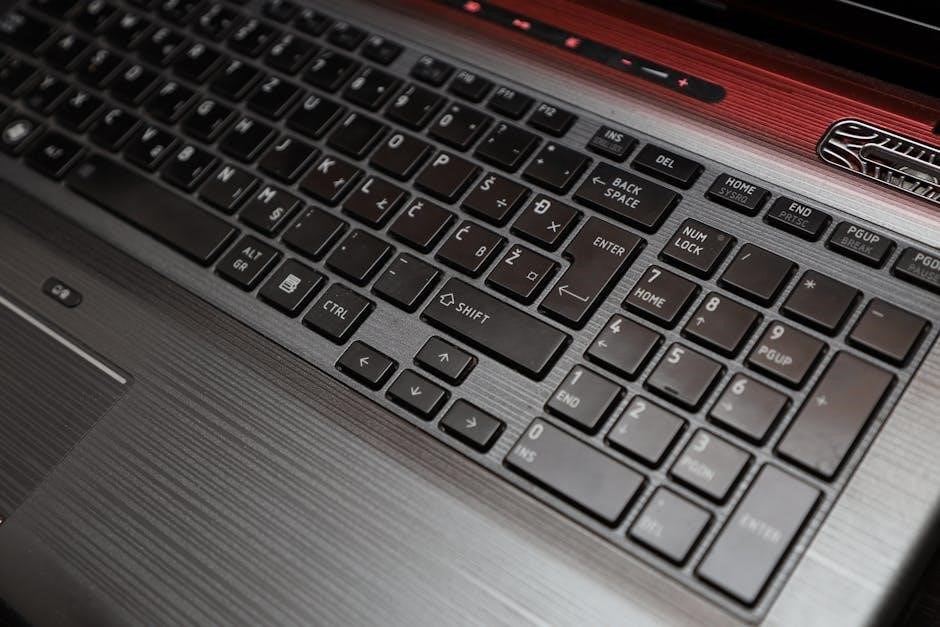
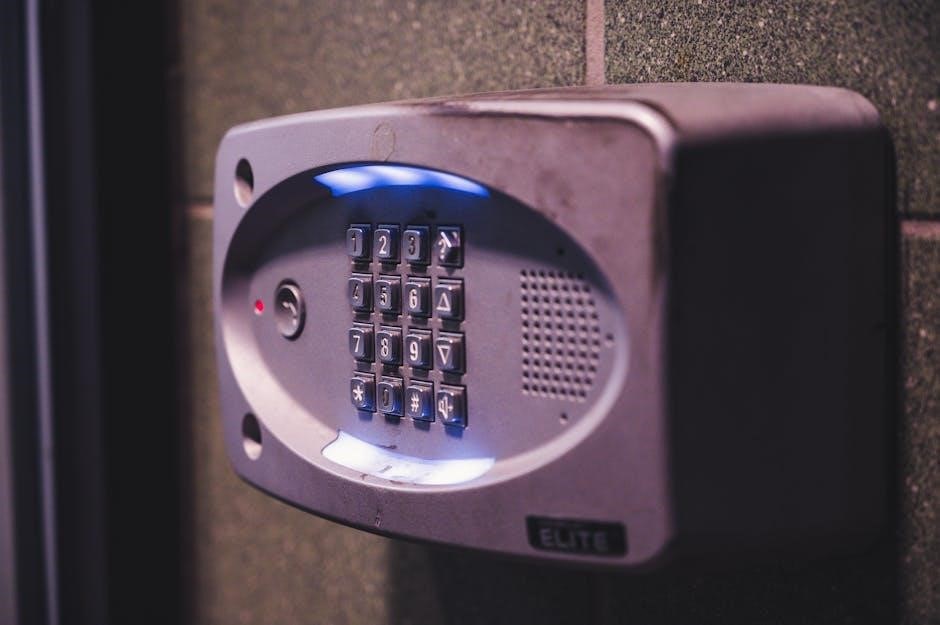
The keypad typically features a numeric display for code entry, along with buttons for programming and operation. Understanding the function of each button is crucial for successful setup and usage. The lights on the keypad provide visual feedback, indicating programming status or potential issues.
Modern Clicker keypads, like the KLIK2C, are designed for universal compatibility with a wide range of garage door openers. However, verifying compatibility with your specific model is always recommended. The keypad communicates wirelessly with your garage door opener, so signal strength and potential interference should be considered for optimal performance. Proper understanding of these aspects ensures a smooth and reliable user experience.
Keypad Components and Identification

The Clicker keypad consists of several key components. Primarily, you’ll find the numeric buttons (0-9) used for entering your personalized PIN code. A “Clear” or “C” button typically allows you to correct errors during code entry. The “Send” or “#” button transmits the entered code to the garage door opener.
Look for the “Learn” button – crucial for initial programming and syncing with your opener. This button initiates the pairing process. Indicator lights are also vital; they flash to confirm actions, signal errors, or display programming mode status. The battery compartment, usually located on the back or side, houses the power source.
Identifying these components is the first step to successful operation; Refer to your specific model’s diagram (like the Chamberlain KLIK2U manual) for precise locations. Understanding the function of each part ensures a smooth programming and operational experience, avoiding confusion and potential issues.
Compatibility: Which Garage Door Openers are Supported?
Clicker keypads, particularly the universal models like KLIK2C, are designed for broad compatibility. They generally support LiftMaster, Chamberlain, and Craftsman garage door openers manufactured after 1993. However, compatibility isn’t guaranteed with all models, especially older or less common brands.
Keypads utilize rolling code technology, ensuring security by changing the access code each time; This technology is supported by most modern openers. Check your garage door opener’s manual to confirm if it’s compatible with rolling code systems. Some older openers may require a separate adapter;
If you’re unsure, consult the Chamberlain website or the KLIK2C manual for a detailed compatibility list. It’s crucial to verify compatibility before attempting programming to avoid frustration and ensure seamless operation. Universal keypads offer convenience, but confirming support is essential for a functional setup.
Programming Your Clicker Keypad
Ready to begin? This section guides you through programming your Clicker keypad. Locate the learn button, enter programming mode, and set your unique PIN code for secure access.
Initial Setup and Safety Precautions
Before you start programming your Clicker garage door keypad, ensure your garage door opener is functioning correctly and that you have a clear understanding of the process. Safety is paramount; always keep children and pets away during programming to prevent accidental activation or interference.
Verify the garage door is balanced and free from obstructions. A malfunctioning door could pose a serious hazard. Familiarize yourself with the “Learn” mode time limit – typically 30 seconds – as you’ll need to complete the programming steps within this timeframe.
It’s crucial to understand that incorrect programming can compromise your garage’s security. Double-check each step and refer to the manufacturer’s instructions if needed. The Clicker universal garage door opener, model KLIK2C, emphasizes safe operation, so review its guidelines. Remember to test the keypad thoroughly after programming to confirm it operates as expected. Finally, keep this manual accessible for future reference or reprogramming.
Locating the Learn Button on Your Garage Door Opener
The “Learn” button is essential for synchronizing your Clicker keypad with your garage door opener. Its location varies depending on the opener’s make and model, but it’s typically found on the motor unit itself. Look near the antenna wire connection or in close proximity to the motor housing.
Often, it’s a small, colored button – frequently red, orange, yellow, or purple – clearly labeled “Learn,” “Smart,” or “Program.” Some openers may require you to remove a light cover to access it. If you’re unsure, consult your garage door opener’s manual for precise instructions.
Pressing and releasing this button initiates a brief window – usually 30 seconds – during which the opener will accept the code from your keypad. Be prepared to proceed quickly once the Learn button is activated. Remember, the button’s purpose is to enable the learning process, allowing your keypad to communicate with the opener.
Entering Programming Mode: The Button Combination
To initiate programming mode on your Clicker keypad, a specific button combination must be executed. Typically, this involves simultaneously pressing and holding the # and * buttons until the keypad’s lights cease their flashing pattern. This signals the keypad is ready to accept a new PIN code.
Some models may utilize a different combination; however, the # and * buttons are the most common. Ensure you press both buttons at the same time and maintain pressure until the light indicator changes. This transition confirms the keypad has entered programming mode, allowing you to proceed with setting your desired PIN.
It’s crucial to perform this step correctly, as it’s the gateway to customizing your access code. If the lights don’t stop flashing, double-check your button presses and try again. A successful entry into programming mode is vital for a secure and functional keypad.
Setting a New PIN Code: Step-by-Step Instructions
Once in programming mode, setting a new PIN is straightforward. Begin by entering your desired four-digit code using the keypad. Take your time and ensure accuracy, as this code will be your primary means of garage access. After inputting the code, press the “Enter” or “OK” button – often indicated by a checkmark or similar symbol – to confirm your selection.
Following this, many systems require a confirmation step. Typically, you’ll need to re-enter the same four-digit PIN code to verify its accuracy; Again, press “Enter” or “OK” after the second entry. The keypad lights should then indicate successful programming, often with a solid light or a specific flashing sequence.
Remember to choose a code that is easy for you to remember but difficult for others to guess. Avoid obvious combinations like “1234” or your birthdate. A secure PIN is essential for maintaining the safety of your property.
Confirming the PIN Code: Ensuring Successful Programming
After entering your new PIN, verifying its functionality is crucial. Immediately test the keypad by entering the newly programmed code; If the garage door opens successfully, the programming was completed correctly. However, if it doesn’t respond, repeat the programming steps carefully, paying close attention to each button press and confirmation signal.
Pay attention to the keypad’s lights. A solid light often indicates success, while flashing lights may signal an error or the need to repeat a step. Some models require you to press a specific button combination after entering the code to activate it. Refer to your model’s specific instructions for details.
If issues persist, ensure you’re within range of the garage door opener and that there’s no significant interference. A successful confirmation ensures secure and reliable access to your garage.
Troubleshooting Common Issues
Facing problems? This section addresses frequent concerns like unresponsive keypads, incorrect PINs, signal interference, and decoding flashing lights for quick resolutions.
We’ll guide you through power checks, resets, and signal optimization for a functional system.
Keypad Not Responding: Power and Battery Checks
Initial Assessment: If your Clicker keypad isn’t responding, begin with the simplest checks. First, confirm the keypad has fresh batteries. Most keypads utilize 9-volt batteries; ensure proper polarity during replacement. Low battery power is a common culprit for intermittent or complete failure.
Garage Door Opener Power: Verify your garage door opener itself has power. Check the outlet and circuit breaker. A power outage affecting the opener will naturally render the keypad useless. Reset the opener if necessary, following the manufacturer’s instructions.
Signal Interference: While less common, signal interference can sometimes mimic a power issue. Ensure there are no new electronic devices nearby that could be causing disruption. Try repositioning the keypad slightly.
Keypad Lockout: Some keypads feature an auto-lockout function after multiple incorrect PIN attempts. Consult the manual for reset procedures if you suspect this is the case. A complete power cycle of the opener might also resolve this.
Wiring Issues: If the problem persists, inspect the wiring connecting the keypad to the garage door opener (if applicable). Loose connections can cause intermittent functionality.
Incorrect PIN Code: Resetting and Reprogramming
Troubleshooting a Forgotten PIN: If you’ve forgotten your PIN, resetting and reprogramming is necessary. Begin by accessing the garage door opener’s “Learn” mode – typically by pressing the “Learn” button on the motor unit. Remember, you usually have a 30-second window to complete the programming steps.
Initiating Reset: Many keypads require a specific button combination to initiate a factory reset. This often involves pressing and holding the ‘#’ and ‘*’ buttons simultaneously until the lights flash. Consult your specific model’s manual for the correct procedure.
Reprogramming Steps: Once reset, enter programming mode as described in the initial setup section. Carefully enter your new, desired PIN code. Confirm the code by re-entering it, ensuring accuracy.
Confirmation & Testing: After confirmation, test the keypad thoroughly to verify functionality. If issues persist, repeat the process, double-checking each step. Ensure the opener accepts the new code before finalizing.
Security Reminder: Choose a PIN code that is easy for you to remember but difficult for others to guess. Avoid using obvious combinations like ‘1234’ or your birthdate.
Interference Issues: Addressing Signal Problems
Identifying Interference: Signal interference can cause your Clicker keypad to malfunction. Common sources include other wireless devices, fluorescent lights, and even certain types of building materials. If the keypad becomes unreliable, investigate potential interference sources nearby.
Relocating the Opener: If possible, try repositioning your garage door opener’s antenna. A clear line of sight between the keypad and the opener improves signal strength. Avoid obstructions like metal shelving or large appliances.
Reducing Wireless Clutter: Minimize the use of other wireless devices operating on the same frequency. Temporarily disable devices to see if it resolves the issue. Consider using shielded cables for sensitive electronics.

Checking Antenna Connection: Ensure the antenna wire is securely connected to the garage door opener. A loose connection can significantly weaken the signal. Inspect the wire for damage and replace if necessary.
Reprogramming: In some cases, reprogramming the keypad can help it re-establish a stronger connection with the opener, overcoming minor interference. Follow the programming instructions carefully.
Keypad Lights Flashing: Decoding the Light Patterns
Understanding the Signals: The flashing lights on your Clicker keypad aren’t random; they communicate the keypad’s status. Recognizing these patterns is crucial for troubleshooting and ensuring proper operation.
Rapid Flashing: Typically indicates the keypad is in programming mode, awaiting input. Ensure you’re following the programming steps correctly within the 30-second time limit after pressing the “Learn” button on the opener.
Slow Flashing: Often signifies a low battery. Replace the batteries immediately to restore full functionality. Using fresh batteries is essential for reliable performance.
Alternating Flashing: May suggest a communication error between the keypad and the garage door opener; Reprogramming the keypad can often resolve this issue.
No Flashing: Could indicate a completely dead battery or a more serious internal malfunction. Check the battery first; if that doesn’t work, contact customer support.
Solid Light: Usually means the keypad is ready for input or has successfully registered a code.

Advanced Features and Settings

Explore customization! Adjust volume, brightness, and add multiple user codes for family access. Temporary codes offer limited entry, enhancing your garage’s security options.
Multiple User Codes: Adding Additional Access
Granting access to family members or trusted individuals is simplified with the Clicker keypad’s multiple user code feature. After successfully programming your primary PIN, you can create unique codes for up to eight users, providing personalized and secure entry. This eliminates the need to share a single code, enhancing security and accountability.
To add a new user code, you typically re-enter programming mode – often by pressing the ‘*’ and ‘#’ buttons simultaneously until the lights stop flashing. Then, enter the new four-digit PIN code followed by a designated button, like the ‘#’ key, to confirm. Repeat this process for each additional user, ensuring each receives their unique code.
Remember to keep these codes confidential and consider changing them periodically for optimal security. This feature offers convenience without compromising the safety of your home. Regularly review and update user access as needed, removing codes for individuals no longer requiring entry.
Temporary Codes: Granting Limited Access
Need to provide access to visitors, service personnel, or temporary residents? The Clicker keypad offers a convenient solution with temporary codes. These codes can be programmed to function for a specific duration or number of uses, automatically deactivating afterward, enhancing your home’s security.
While the exact method varies by model, creating a temporary code generally involves entering a special sequence during programming mode. This might include a specific button combination or a designated code prefix. Once activated, the temporary code operates independently of your primary PIN.
This feature is ideal for deliveries or allowing access to contractors while you’re away. It eliminates the need to change your main PIN or worry about lost or copied keys. Always verify the code has deactivated as expected after its intended use. Refer to your specific model’s manual for detailed instructions on creating and managing temporary access codes.
Adjusting Keypad Volume and Brightness
Personalize your Clicker keypad experience! Many models allow you to adjust both the volume of the audible feedback and the brightness of the keypad’s display. These adjustments cater to individual preferences and environmental conditions, ensuring optimal usability.
Volume control typically involves navigating through the programming menu using a specific button sequence. You can usually select from several volume levels, ranging from silent to loud. This is useful for minimizing disturbance or ensuring clear feedback in noisy environments.
Brightness adjustment similarly utilizes the programming menu, offering options to increase or decrease the display’s illumination. A brighter display is beneficial in direct sunlight, while a dimmer setting conserves battery life and reduces light pollution at night. Consult your specific model’s manual for the precise steps to modify these settings.
Understanding the “Learn” Mode Time Limit
Time is of the essence! When programming your Clicker keypad, activating the garage door opener’s “Learn” mode initiates a limited timeframe – typically 30 seconds – for successful code entry. This security feature prevents unauthorized access and ensures only intended devices are paired.
During this window, you must complete the programming sequence, including entering your desired PIN code on the keypad and pressing the designated buttons (often labeled “#” or “Enter”). Failure to do so within the allotted time causes the opener to exit “Learn” mode, requiring you to restart the process.
Being prepared before activating “Learn” mode is crucial; Have your desired PIN code ready and understand the required button sequence. Repeatedly pressing the “Learn” button and quickly entering the code maximizes your chances of success. Refer to your opener’s manual for the exact time limit and specific instructions.

Maintenance and Care
Keep it functioning! Regularly replace batteries, clean the keypad with care, and protect it from harsh weather; Proper upkeep ensures longevity and reliable operation.
Battery Replacement: Types and Procedures
Maintaining power is crucial for consistent operation of your Clicker garage door keypad. Typically, these keypads utilize a 9-volt battery, though some newer models may employ AAA or CR2032 batteries – always verify the correct type specified in your model’s documentation.
To replace the battery, begin by locating the battery compartment, usually on the back or side of the keypad. Gently pry open the compartment cover; a small screwdriver may be helpful, but avoid excessive force. Remove the old battery and carefully insert the new one, ensuring correct polarity (+ and ⎯ terminals align with the markings inside the compartment).
Once the new battery is in place, securely close the compartment cover. After replacement, you may need to reprogram the keypad, as some models briefly lose settings during battery changes. Test the keypad immediately to confirm functionality. Dispose of the old battery responsibly, following local regulations for battery recycling.
Cleaning the Keypad: Recommended Practices
Regular cleaning extends the life and ensures reliable operation of your Clicker garage door keypad. Dust, dirt, and grime can accumulate on the buttons and casing, potentially hindering performance. To clean, begin by disconnecting the power source – either by removing the battery or temporarily disconnecting the unit from its mounting.
Use a soft, slightly damp cloth to wipe down the keypad’s exterior. Avoid abrasive cleaners, solvents, or excessive moisture, as these can damage the electronic components or finish. For stubborn dirt, a mild soap solution can be used, but ensure the cloth is only damp, not wet, and wipe dry immediately afterward.
Pay particular attention to the buttons, gently cleaning around them to remove any accumulated debris. Avoid spraying liquids directly onto the keypad. After cleaning, reconnect the power source and test the keypad to confirm functionality. Routine cleaning contributes to long-term reliability.
Protecting the Keypad from Weather Elements
Exposure to the elements can significantly reduce the lifespan and functionality of your Clicker garage door keypad. While some models are designed with weather resistance, prolonged exposure to rain, snow, extreme temperatures, and direct sunlight should be avoided. Ideally, the keypad should be mounted in a sheltered location, such as under an overhang or within an enclosed housing.
If a sheltered location isn’t feasible, consider a commercially available weatherproof cover specifically designed for garage door keypads. These covers provide a barrier against moisture and UV radiation. Regularly inspect the keypad for signs of water ingress or damage. Ensure the mounting screws are secure to prevent the unit from becoming dislodged during inclement weather.
Avoid using high-pressure water streams during cleaning, as this can force water into the keypad’s internal components. Proper protection safeguards against malfunctions and ensures reliable operation, even in challenging climates.
Universal Clicker Model KLIK2C: Safety and Operation
The Clicker universal garage door opener, model KLIK2C, prioritizes safe operation and straightforward programming. Before initial use, carefully review all included instructions and warnings; This model is designed for compatibility with a wide range of garage door opener brands, but verification is crucial before attempting programming.
Always ensure the garage door is fully visible and free of obstructions during programming and operation. Never allow children to play with or near the keypad. Keep the programming code confidential to prevent unauthorized access. The KLIK2C utilizes a learning mode, typically activated by a “Learn” button on the garage door opener motor unit.
Follow the specific programming sequence outlined in the manual, paying close attention to timing and button combinations. If programming fails, consult the troubleshooting section or contact customer support. Regular battery checks are essential for consistent performance and safety.